Sustainability is no longer a secondary consideration. It has become central to how environments are designed, developed, and experienced.
Architects and designers are now expected to ensure that new projects minimise environmental impact while still meeting the expectations of modern living. The real question today is not whether sustainability should be addressed, but how effectively it is integrated from the very beginning.
This shift is especially important in remote resort developments, where the relationship between structure and landscape is immediate and visible. In these settings, every decision matters. How something is built, where it is positioned, and how it operates all contribute to its long-term impact on the environment.
Designing With the Landscape, Not Against It
Interest in tented camps and refined glamping environments continues to grow. Developers are increasingly exploring alternatives to traditional construction methods that allow projects to respond more sensitively to their surroundings.
These approaches offer flexibility, lower environmental impact, and often stronger returns per key. Just as importantly, they reduce disruption during construction and throughout the lifecycle of the development.
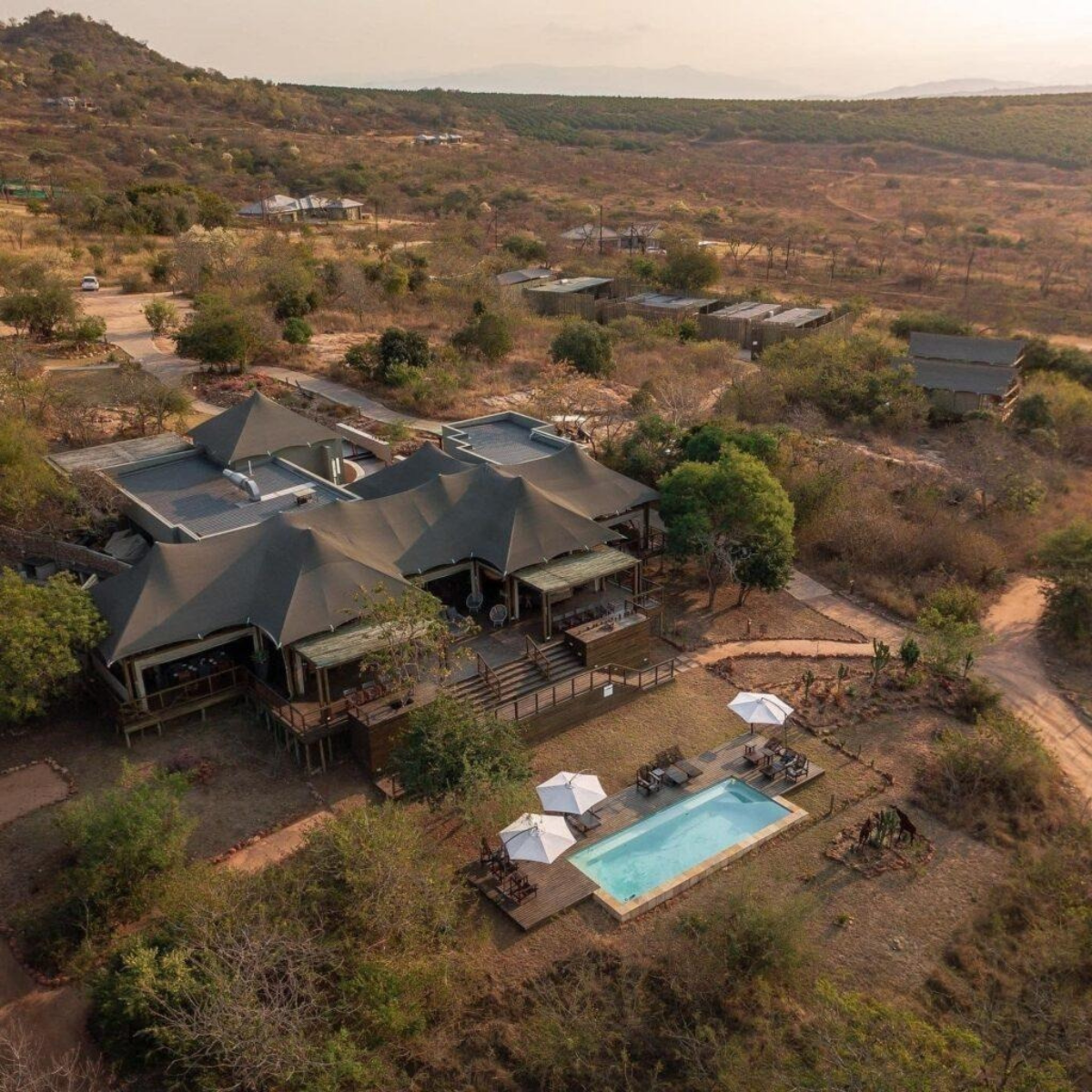
A well-considered tented environment allows guests to experience immersion without imposition. Structures sit lightly within the landscape, creating openness while maintaining comfort and refinement. The experience feels connected to nature rather than separated from it.
Integrated Thinking From Concept to Installation
Working with experienced partners such as Curated Affaire allows projects to be approached as fully integrated developments from the earliest concept stage through to installation.
This ensures that layout, materials, and construction methods support both environmental goals and the broader vision of the project. Decisions are made with long-term performance in mind rather than short-term convenience.
Fabric structures and modular systems offer a clear advantage in this context. Much of the production takes place off-site, allowing for a controlled and efficient process before components arrive on location.
Once on site, the focus shifts to careful assembly and precise placement. This approach significantly reduces disturbance to the surrounding landscape while maintaining high design standards.
A Holistic Approach to Resort Development
Feasibility, design, and planning should always be considered together rather than as separate phases. When handled holistically, each development can respond not only to its physical setting but also to the expectations of future guests and operators.
This integrated approach supports environments that feel intentional, balanced, and resilient over time.
A Different Way of Building
The result is a different way of building. One that is lighter, more adaptable, and more in tune with its surroundings.
It demonstrates that environmental responsibility and thoughtful design do not require compromise. Comfort, longevity, and refinement can still sit at the centre of the guest experience while respecting the landscape that makes these destinations special in the first place.