Furnishing a restaurant goes beyond choosing tables and chairs. It’s about creating an atmosphere that reflects your brand, keeps guests comfortable, and uses space intelligently. Done well, your furniture plan improves service flow, protects your investment, and makes the room feel effortless.
Here are four practical tips to get it right.
1. Choose Seating That Matches Your Concept and Guest Behaviour
Seating sets the tone. It also shapes how long guests stay and how relaxed they feel.
-
Fine dining often benefits from upholstered chairs and cushioned booths for a more premium, lingering experience.
-
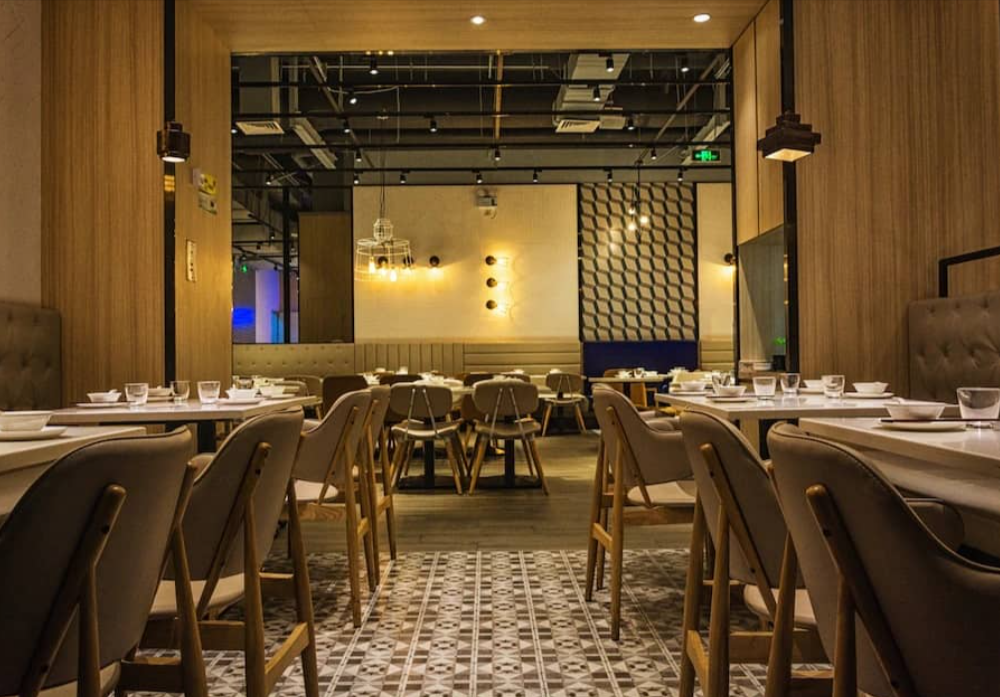
Casual dining works well with a mix of wooden chairs, simple silhouettes, and a few softer zones.
-
Fast-casual concepts suit lighter, durable pieces that are easy to clean and move.
Tip: Combine booths, chairs, and bar stools to suit different guest preferences and maximise flexibility across dayparts.
2. Invest in Commercial-Grade Materials That Last
Restaurant furniture takes daily impact. Materials matter more than style trends.
-
Wood adds warmth and timeless character.
-
Metal performs well in modern or industrial interiors due to strength and longevity.
-
Resin and weather-ready materials are ideal for outdoor seating and high-cleaning environments.
-
Upholstery elevates comfort, but should be stain-resistant and designed for hospitality use.
Tip: Prioritise commercial-grade furniture built for high-traffic use. It reduces replacements and keeps the space looking refined.
3. Design the Layout Around Flow, Not Just Capacity
A great layout balances seating numbers with comfort and movement. Guests should never feel crowded, and staff should move smoothly between tables, bar, and kitchen.
Use these spacing baselines:
-
Between tables: 24–30 inches
-
Between chairs: around 18 inches
-
Main walkways: 36–42 inches
Flexible elements help you adapt to demand:
-
Modular tables that can join for groups
-
Stackable chairs for events and peak periods
-
Bar or counter seating to maximise smaller footprints
Tip: Plan your furniture as a system. If tables can’t shift without disrupting flow, the layout will fight you every service.
4. Choose Tables That Are Stylish, Stable, and Easy to Maintain
Tables carry the daily load. They must look good, feel solid, and handle constant cleaning.
-
Round tables encourage conversation and suit relaxed dining.
-
Square and rectangular tables offer the most flexibility for couples and groups.
-
Communal tables create energy and work well in cafés and trend-forward concepts.
-
High-tops and bar counters suit faster-paced environments and social zones.
Tip: Choose scratch-resistant, waterproof tabletops to protect surfaces and maintain a polished look over time.
Ready to Furnish With Confidence?
If you’re planning a new restaurant, refreshing an existing space, or refining the guest experience, The Curated Affaire can guide your furniture selection, layout planning, and material choices with a considered, design-led approach. Contact Us